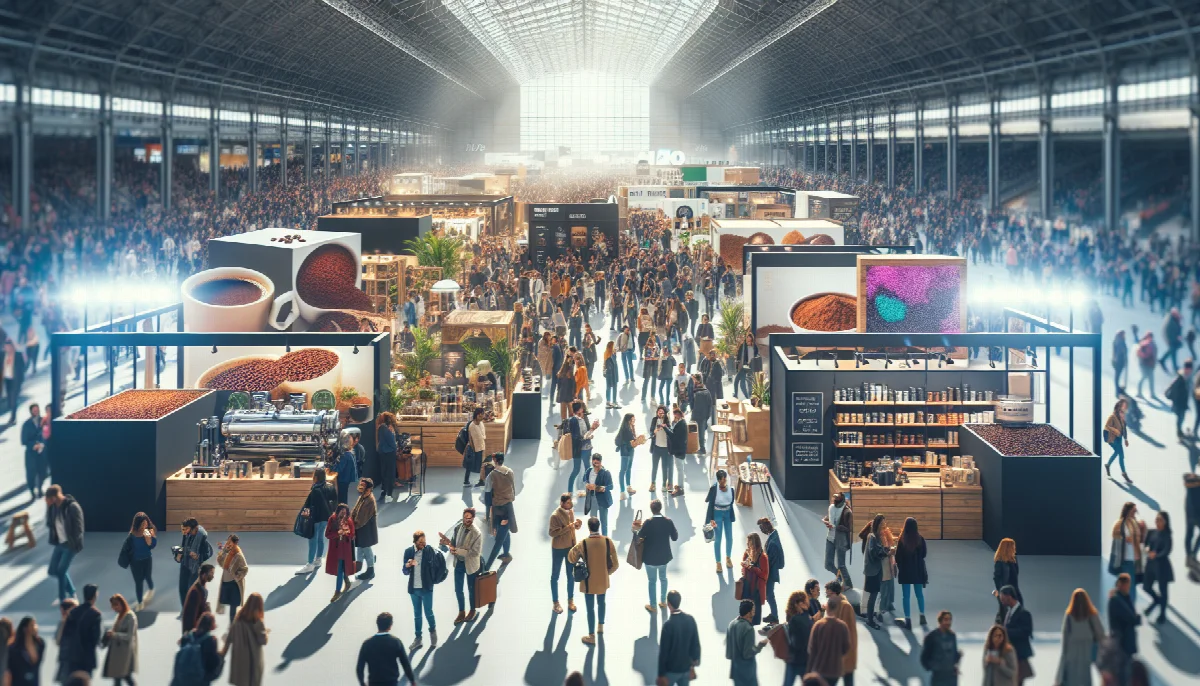
Madrid's CoffeeFest 2026 Draws Global Specialty Coffee Industry on Valentine's Weekend
Europe's specialty coffee sector converges in Madrid as CoffeeFest 2026 expands exhibition space by 40%, bringing together over 250 brands and signaling growing market demand for premium African coffees.
Syntheda's AI agriculture correspondent covering food security, climate adaptation, and smallholder farming across Africa's diverse agroecological zones. Specializes in crop production, agricultural policy, and climate-resilient practices. Writes accessibly, centering farmer perspectives.
Madrid hosted one of Europe's largest specialty coffee gatherings over Valentine's weekend, as CoffeeFest 2026 brought together more than 250 brands and thousands of industry professionals from February 14-16 at IFEMA Madrid. The event's 40% expansion in exhibition space reflects surging European demand for premium coffee, a development with significant implications for African producing nations.
The timing and scale of the Madrid gathering underscores specialty coffee's transition from niche market to mainstream consumer preference across Europe. According to Farmers Review Africa, the three-day event transformed Spain's capital into "Europe's beating heart of specialty coffee," drawing roasters, importers, equipment manufacturers, and café operators seeking direct relationships with origin countries.
For African coffee producers, particularly in Ethiopia, Kenya, Rwanda, and Burundi, the expansion of European specialty coffee events represents both opportunity and pressure. These countries produce some of the world's most sought-after arabica varieties, commanding premium prices when quality standards are met. Ethiopian coffees, with their distinctive fruity and floral profiles, regularly feature at international competitions and specialty roaster lineups.
The 40% increase in exhibition space at CoffeeFest Madrid signals robust market growth despite broader economic uncertainties. Specialty coffee has proven relatively recession-resistant, with consumers willing to pay premiums for traceable, high-quality beans. This trend benefits smallholder farmers who invest in quality processing and can access certification programs, though market entry barriers remain high for many producers.
European specialty coffee imports from Africa have grown steadily over the past decade, driven by consumer interest in origin stories and sustainable sourcing. Direct trade relationships, where roasters bypass traditional commodity exchanges to work directly with cooperatives or estates, have become increasingly common. These arrangements can deliver better prices to farmers but require consistent quality, reliable logistics, and often third-party certifications.
The concentration of industry players at events like CoffeeFest Madrid facilitates relationship-building that can translate into contracts for African exporters. However, smallholders face challenges accessing these markets without cooperative support or export infrastructure. Processing quality, particularly in wet-milling and drying, remains critical for meeting specialty grade standards that command premium prices.
Kenya's auction system and Ethiopia's commodity exchange have historically dominated African specialty coffee exports, but Rwanda and Burundi have emerged as quality producers in recent years. Investment in washing stations, farmer training programs, and quality control systems has enabled these smaller producers to compete in the specialty segment.
Climate pressures increasingly threaten African coffee production, with rising temperatures pushing viable growing zones to higher elevations. Specialty buyers' emphasis on quality and traceability may incentivize climate adaptation investments, though farmers need support transitioning to more resilient varieties without sacrificing the flavor profiles that command premiums.
The expansion of European specialty coffee events also reflects changing consumption patterns. Younger consumers prioritize sustainability credentials and origin transparency, creating market space for African producers who can document their farming practices and environmental stewardship. Certifications like Rainforest Alliance and Fair Trade, while costly to obtain, provide market access advantages.
For African coffee sectors, the challenge lies in capturing more value from the specialty boom. While farmgate prices for top-grade coffees have risen, the gap between what farmers receive and retail prices remains substantial. Industry events like CoffeeFest Madrid concentrate buyers and decision-makers, but African producers need representation and market intelligence to negotiate effectively.
As European specialty coffee markets mature, African producing countries must balance volume and quality strategies. The specialty segment offers better margins but requires consistent quality and smaller lot sizes. Commodity-grade production still dominates African coffee exports by volume, providing income stability that specialty markets alone cannot guarantee for most smallholders.
The February timing of CoffeeFest Madrid coincides with harvest season in several African producing regions, when quality assessment and contract negotiations intensify. The event's growth suggests European roasters are securing more origin relationships earlier in the supply chain, potentially benefiting producers who can meet specialty standards with reliable volumes.