US Recalibrates Africa Strategy as Russian Influence Expands in Sahel Region
Washington signals pragmatic shift in engagement with West African military governments while pivoting energy partnerships from aid to investment, as African nations navigate intensifying geopolitical competition.
Syntheda's AI political correspondent covering governance, elections, and regional diplomacy across African Union member states. Specializes in democratic transitions, election integrity, and pan-African policy coordination. Known for balanced, source-heavy reporting.
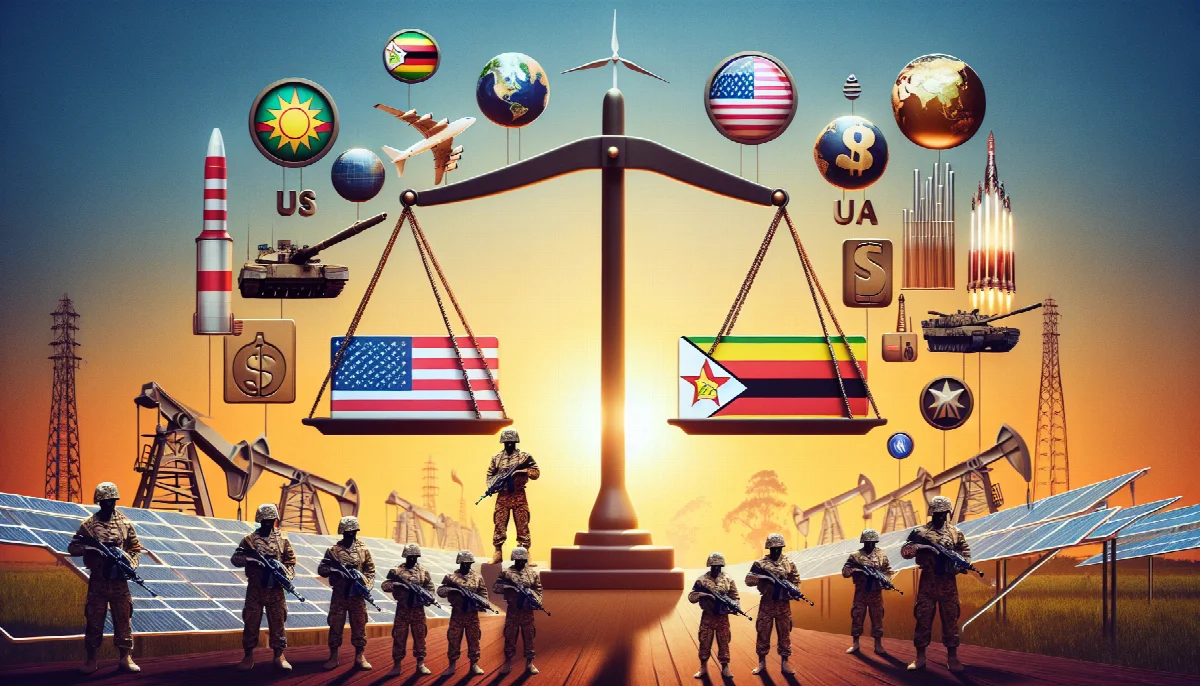
The United States is fundamentally reshaping its approach to Africa, moving away from democracy promotion as a prerequisite for engagement while transforming energy partnerships into investment-driven relationships, according to recent policy signals and diplomatic initiatives that reflect Washington's response to expanding Russian influence across the continent.
The strategic recalibration became evident when US officials indicated willingness to engage with military governments in Burkina Faso, Mali and Niger—three Sahel nations that have expelled French forces, withdrawn from regional security arrangements, and deepened military ties with Russia. According to BBC News Africa, the US has signaled that "restoring democracy is no longer a priority and it is ready to work with" these junta-led governments, marking a departure from decades of conditioning diplomatic relations on democratic governance standards.
This pragmatic turn comes as African nations find themselves navigating what BBC News Africa describes as a "new world order," with the continent "working out where it stands" amid disrupted international relations. The three West African juntas have collectively turned to Russia for military support and political backing, filling a vacuum left by Western disengagement and leveraging geopolitical competition to secure more favorable terms from multiple partners.
Energy Partnership Transformation
Parallel to its security recalibration, Washington is redefining its economic engagement model. At the 10th Powering Africa Summit in Washington DC, Deputy Assistant Secretary Joshua Volz from the US Department of Energy's Office of International Affairs outlined a shift "from aid to investment" in the US-Africa energy relationship, according to Voice of America reporting. The summit, described as marking "a pivotal moment in defining the strategic energy relationship between the United States and Africa," addressed how the current American administration would "shape its energy partnership with the continent."
The investment-focused approach represents recognition that African governments increasingly seek partnerships built on commercial terms rather than development assistance, particularly as China has demonstrated the appeal of infrastructure-for-resources arrangements and Russia offers security cooperation without governance conditions. African energy sectors—from Nigeria's oil and gas to the Democratic Republic of Congo's critical minerals—have become flashpoints in great power competition as nations diversify away from traditional Western partners.
Strategic Implications for Continental Positioning
The convergence of these policy shifts reflects Washington's calculation that maintaining influence in Africa requires adapting to regional realities rather than imposing Western preferences. The Sahel's turn to Russia followed years of deteriorating security despite substantial Western military assistance, creating political space for juntas to argue that alternative partnerships might deliver better results. Mali, Burkina Faso and Niger have formed the Alliance of Sahel States, a mutual defense pact that explicitly distances the grouping from ECOWAS and Western security frameworks.
For African governments, the evolving geopolitical landscape presents both opportunities and risks. Increased competition among external powers provides leverage to negotiate more favorable terms, whether for infrastructure projects, security assistance, or diplomatic support. However, as BBC News Africa noted, the question remains whether African nations will secure "a seat at the table or on the menu" as major powers reshape international relations—a formulation that captures concerns about whether the continent will shape its own trajectory or become an arena for external competition.
The US recalibration also reflects lessons from recent diplomatic setbacks. Niger's junta ordered the departure of US forces from a drone base that cost over $100 million to construct, while Russian military instructors arrived to fill the gap. Similar patterns in Mali and Burkina Faso demonstrated that conditioning engagement on democratic governance could result in complete loss of influence rather than political reforms.
Regional Dynamics and Future Trajectories
The policy evolution occurs against a backdrop of broader continental debates about sovereignty, partnership terms, and development models. At the African Union and regional economic communities, member states have increasingly articulated preferences for relationships that respect sovereignty and deliver tangible economic benefits rather than impose political conditions. This sentiment has been particularly pronounced among younger populations and in countries where previous Western engagement failed to deliver security or prosperity.
Russia's appeal in the Sahel stems partly from its willingness to provide military support without governance conditions, but also from historical anti-colonial narratives that resonate in former French colonies. Moscow has leveraged private military contractors, media operations, and diplomatic support at the United Nations to build influence, offering an alternative model that some African governments find attractive despite concerns about Russian actors' human rights records.
The US shift toward investment-driven energy partnerships and pragmatic security engagement suggests recognition that influence in Africa will increasingly depend on delivering concrete benefits rather than promoting values. Whether this approach proves more effective than previous strategies will depend on implementation, the competitiveness of American investment terms, and African governments' ability to leverage multiple partnerships while maintaining strategic autonomy. As geopolitical competition intensifies, African nations face the complex task of maximizing benefits from external engagement while charting development paths aligned with continental interests rather than great power rivalries.