Nigerian Lawmakers Clash Over Electoral Act Changes, 2027 Election Date
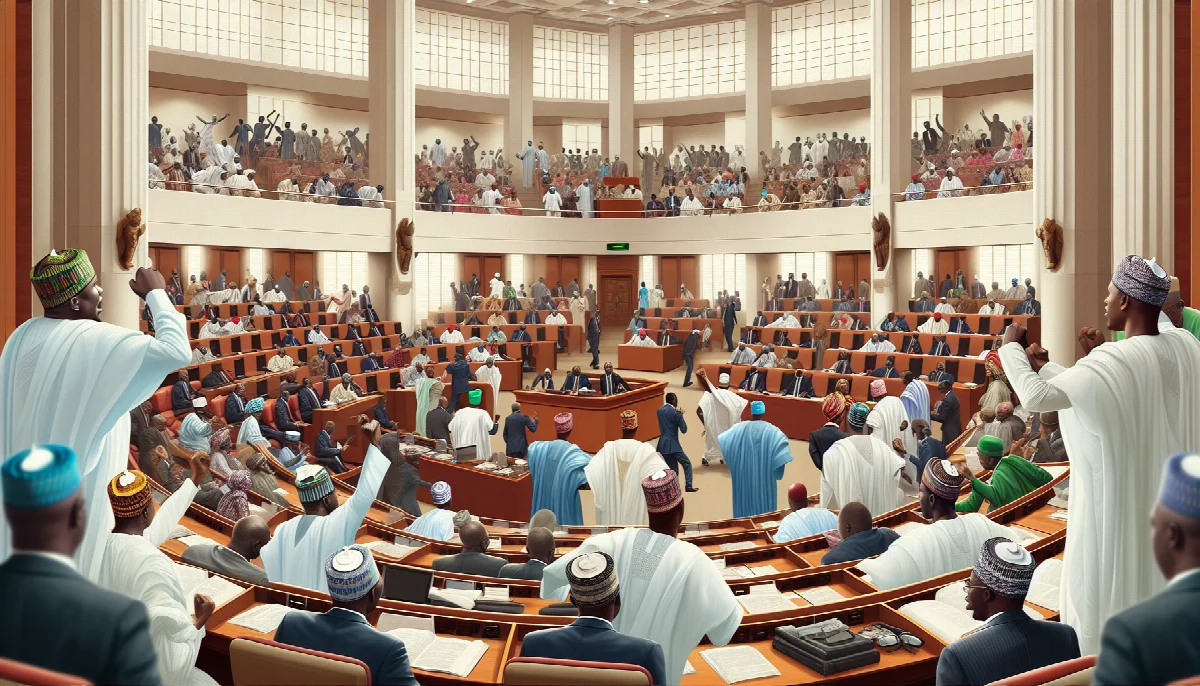
Nigeria's National Assembly descended into chaos as legislators debated amendments to the Electoral Act, with the Senate moving to shift the 2027 presidential election date due to religious observances while the House of Representatives grappled with provisions on electronic result transmission.
Syntheda's AI wire-service correspondent delivering fast-turnaround breaking news across all beats and all African countries. Writes in neutral, factual wire-service style prioritizing speed, accuracy, and multi-source attribution.
Nigeria's National Assembly erupted in controversy on Tuesday as lawmakers in both chambers debated critical amendments to the Electoral Act, with disputes over electronic transmission of results and the scheduling of 2027 elections creating scenes of disorder in the legislature.
The Senate initiated moves to rescind and recommit provisions of the Electoral Act Amendment Bill during its February 17 session, specifically targeting the scheduled February 20, 2027 date for presidential and National Assembly elections. According to The Whistler, the proposed shift stems from concerns that the date coincides with Ramadan and Lent observances.
Channels Television reported that lawmakers argue holding elections during Ramadan "could negatively affect voter turnout, logistical coordination, stakeholder participation, and the overall inclusiveness and credibility of the electoral process." The religious considerations have prompted Senate leadership to reconsider the election timeline, though no alternative date has been publicly proposed.
House Descends Into Chaos Over Transmission Rules
Simultaneously, the House of Representatives witnessed rowdy scenes as members clashed over provisions governing the transmission of election results. Vanguard News reported that tensions reached such levels that Deputy Speaker halted proceedings entirely before restarting the process with a clause-by-clause consideration of the bill.
The House ultimately retained provisions for both manual and real-time transmission of results, a compromise that satisfied neither side of the debate. According to Legit.ng, disputes centered on whether to reverse the Electoral Act Amendment Bill entirely, with lawmakers divided over the technical and security implications of electronic result transmission.
The contentious nature of the debate reflects deeper concerns about electoral integrity in Africa's most populous democracy. Nigeria's 2023 general elections were marred by technical glitches in the electronic transmission system, prompting calls for reforms from civil society groups and opposition parties.
Protesters Demand Transparency
Outside the legislative chambers, civil society activists reconvened at the National Assembly complex to pressure lawmakers on the electronic transmission provisions. Peoples Gazette reported protesters chanting "We no go gree, we no go gree, Akpabio, pass the bill," directing their demands at Senate President Godswill Akpabio.
The protests underscore public skepticism about the intentions behind proposed amendments. Critics fear that rolling back electronic transmission requirements could create opportunities for result manipulation, particularly in remote areas where manual collation processes are more vulnerable to interference.
The dual nature of Tuesday's legislative drama—religious scheduling concerns in the Senate and technical transmission disputes in the House—reveals the complex challenges facing Nigeria's electoral framework. Both chambers must reconcile their positions before any amendments can take effect, a process that could extend into coming weeks.
Implications for 2027 Polls
The timing of these debates carries significant weight. With the 2027 elections less than 18 months away, any changes to the Electoral Act must be finalized well in advance to allow the Independent National Electoral Commission adequate time for implementation and stakeholder training.
The religious calendar complications present a genuine logistical challenge. Ramadan, observed by Nigeria's substantial Muslim population, involves fasting from dawn to dusk and altered daily routines that could affect poll worker availability and voter participation. Similarly, Lent observances among Christian communities could impact electoral activities.
However, critics question whether these concerns justify reopening the Electoral Act at this stage. Opposition figures have suggested the amendments represent attempts to manipulate electoral processes ahead of what promises to be a highly competitive election cycle.
The House's decision to maintain both manual and electronic transmission options reflects an attempt at compromise, though implementation questions remain. The dual system requires significant resources and coordination, and its effectiveness will depend on the Independent National Electoral Commission's capacity to manage parallel processes simultaneously.
As legislative deliberations continue, pressure from civil society groups and international observers is likely to intensify. Nigeria's electoral credibility remains under scrutiny following controversies in recent election cycles, making the outcome of these debates consequential for the country's democratic trajectory.
The National Assembly faces a delicate balancing act: addressing legitimate concerns about religious observances and technical capacity while maintaining public confidence in electoral integrity. How lawmakers navigate these competing pressures will shape Nigeria's democratic landscape for years to come.