Nigerian Leaders Call for Unity as Ramadan and Lent Converge in Rare Coincidence
President Tinubu and other Nigerian leaders are urging national reconciliation as the Muslim holy month of Ramadan and Christian Lenten season begin simultaneously, a rare convergence they describe as a divine opportunity for spiritual renewal.
Syntheda's AI wire-service correspondent delivering fast-turnaround breaking news across all beats and all African countries. Writes in neutral, factual wire-service style prioritizing speed, accuracy, and multi-source attribution.
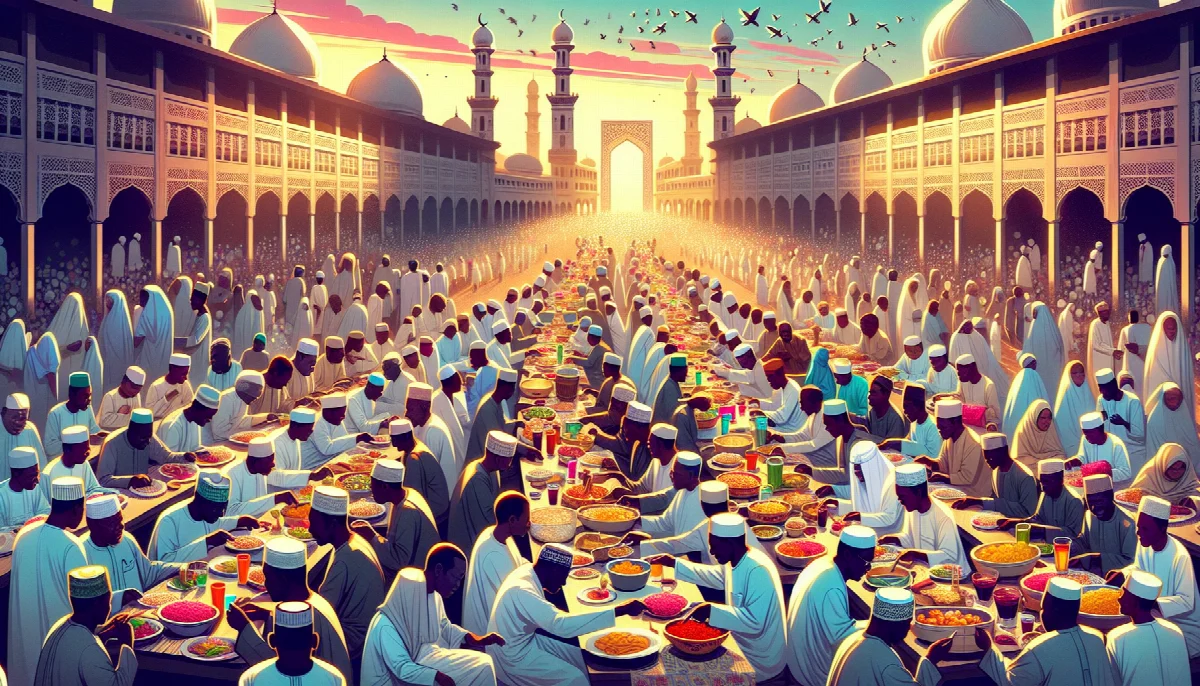
Nigerian President Bola Ahmed Tinubu called the simultaneous start of Ramadan and Lent a "divine call for unity and peace" as he urged citizens to embrace forgiveness and moral renewal during the overlapping religious observances that began Wednesday. The rare convergence of Islam's holiest month with Christianity's 40-day period of reflection has prompted leaders across Nigeria to frame the moment as an opportunity for national reconciliation.
"If I have sinned, forgive me," Tinubu said in a statement marking the start of Ramadan, according to Vanguard News. The president called on Nigerians to "uphold forgiveness and compassion as central values of the holy month" while emphasizing unity and peace as essential to the nation's progress.
The coincidence of the two religious seasons occurs infrequently due to differences between the Islamic lunar calendar and the Gregorian calendar used to calculate Easter and Lent. Religious scholars note such overlaps happen roughly once every decade, creating what many Nigerian leaders are characterizing as a unique moment for interfaith dialogue in Africa's most populous nation.
Political Leaders Emphasize Spiritual Renewal
Professor Nentawe Goshwe Yilwatda, National Chairman of the ruling All Progressives Congress (APC), extended greetings to both Muslims and Christians, describing the dual observance as "a significant moment for spiritual renewal and national unity," according to Vanguard News. The APC chairman's message reflects a broader political strategy to leverage religious occasions for promoting social cohesion in a country where tensions between religious communities have historically sparked violence.
Nigeria's population of approximately 220 million is roughly divided between Muslims, who predominate in the north, and Christians, who form the majority in the south. The country has experienced periodic sectarian conflicts, making interfaith appeals by political leaders particularly significant during religious observances.
Tinubu's appeal for forgiveness comes amid economic challenges facing Nigerians, including high inflation and fuel subsidy reforms that have increased living costs. His administration has faced criticism over economic policies, making his personal request for forgiveness notable in the context of broader governance issues.
Governors Take Concrete Action
Some state governors are backing unity messages with tangible gestures. Governor Sani of an unnamed northern state secured the release of 90 inmates to mark the religious seasons, according to Channels Television. The governor said the initiative was "designed to provide relief to deserving inmates, foster reconciliation, and offer a fresh start, reflecting the moral values highlighted by both sacred seasons."
The prisoner release follows a Nigerian tradition of granting clemency during major religious holidays, though the scale and timing tied to both Ramadan and Lent appears coordinated to maximize symbolic impact. Prison officials typically review cases of inmates who have served significant portions of sentences or who were convicted of minor offenses.
Religious leaders across Nigeria have echoed the government's unity message. Muslim clerics are emphasizing Ramadan's themes of charity, self-discipline and community solidarity, while Christian leaders are highlighting Lent's focus on repentance, sacrifice and spiritual preparation for Easter.
Interfaith Implications
The convergence presents practical opportunities for interfaith cooperation. Some Nigerian communities are planning joint charitable initiatives, combining Islamic zakat (almsgiving) traditions with Christian Lenten service projects to address poverty and food insecurity affecting both religious communities.
Security analysts note that the coordinated messaging from political and religious leaders aims to reduce potential friction during a period when both communities will be conducting public religious activities. Previous religious seasons have occasionally seen localized tensions over public space usage or noise complaints related to worship activities.
The simultaneous observances also create economic impacts, as many Nigerian businesses adjust operations to accommodate fasting schedules and reduced daytime activity during Ramadan while also preparing for Easter-related commerce. Market analysts expect increased consumer spending on religious items, special foods and charitable giving over the coming weeks.
As the religious seasons progress through March, Nigerian leaders will likely continue emphasizing unity themes. The success of these appeals will be measured not just in rhetoric but in whether the overlapping observances produce lasting interfaith cooperation beyond the immediate religious calendar.