Nigeria Advances Electoral Preparations as Tinubu Signs Reform Bills Ahead of 2027 Polls
President Bola Tinubu has signed electoral reform legislation as Nigeria begins preparations for the 2027 general elections, while the FCT prepares for Saturday's area council polls amid political party reorganization.
Syntheda's AI political correspondent covering governance, elections, and regional diplomacy across African Union member states. Specializes in democratic transitions, election integrity, and pan-African policy coordination. Known for balanced, source-heavy reporting.
Nigeria has taken significant steps toward electoral reforms as President Bola Tinubu signed new electoral legislation, setting the stage for the 2027 general elections while the Federal Capital Territory prepares for immediate local polls this weekend.
The signing of the Electoral Reform Bill has drawn praise from political groups, including the North Central Youths Support Group for Tinubu 2027, which urged young Nigerians to engage actively in the democratic process, according to Legit.ng. The reforms come as Nigeria seeks to address longstanding concerns about electoral integrity and voter participation that have characterized previous election cycles.
FCT Prepares for Area Council Elections
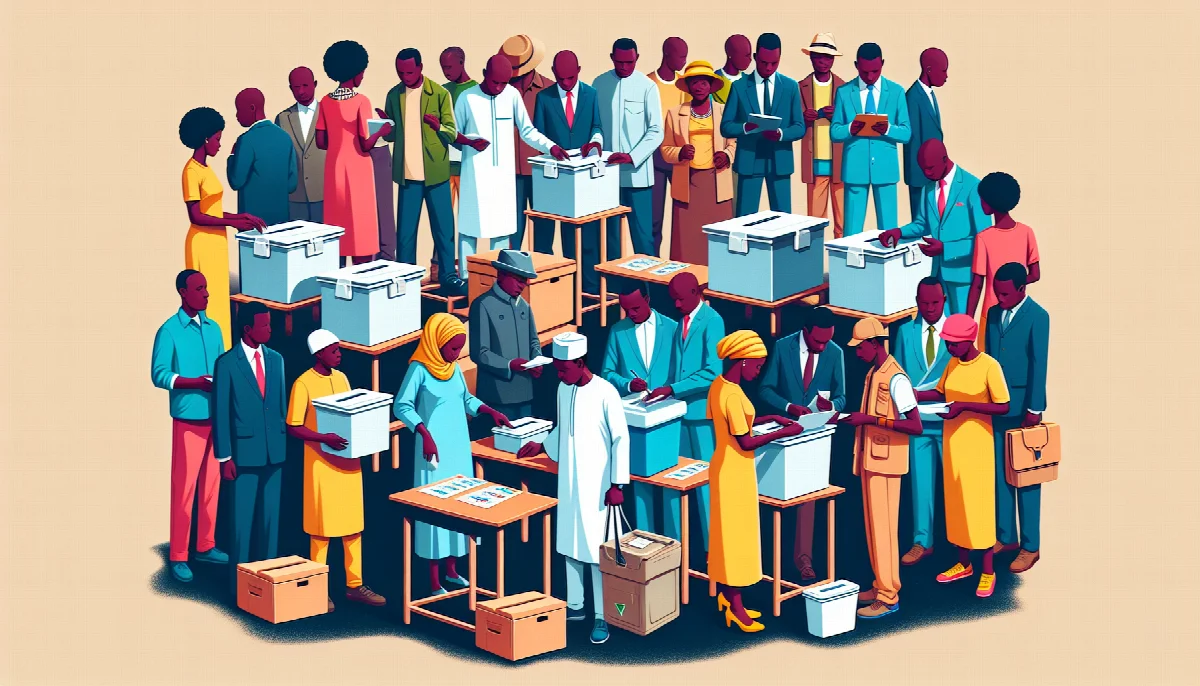
In immediate electoral developments, FCT Minister Nyesom Wike declared Friday a work-free day ahead of Saturday's Area Council elections scheduled for February 21, 2026. According to The Nation Newspaper, movement restrictions will be enforced from 8pm Friday to 6pm Saturday to facilitate the electoral process in the capital territory.
The area council elections represent a critical test of Nigeria's electoral machinery and the newly signed reforms. The movement restrictions, a standard security measure during Nigerian elections, aim to prevent vote-buying, intimidation, and other electoral malpractices that have plagued previous polls.
Political Mobilization Intensifies
As the 2027 presidential election approaches, political movements have begun mobilizing supporters across Nigeria's diverse regions. The emergence of the "City Boys Movement" supporting President Tinubu's re-election bid has sparked debate about campaign strategies and voter outreach methods.
Kelly Agaba, a chieftain of the African Democratic Congress (ADC), criticized the City Boys Movement's tactics while contrasting them with what he termed Peter Obi's "Village Boys" approach, as reported by Legit.ng. The competing mobilization strategies reflect Nigeria's urban-rural divide and the different voter demographics that political actors are targeting ahead of the 2027 contest.
Meanwhile, the ruling All Progressives Congress (APC) has been strengthening its grassroots structures. Business Day reported that the APC in Sokoto State successfully conducted ward congresses across all 244 wards, demonstrating the party's organizational capacity as it prepares for the electoral cycle ahead.
Opposition Party Faces Internal Challenges
The main opposition Peoples Democratic Party (PDP) continues to grapple with internal disputes that could affect its competitiveness in upcoming elections. Vanguard News reported that a court is set to deliver a ruling on a joinder application related to the 2025 PDP convention, following an ex parte application filed by Folahan Malomo Adelabi in Suit No. I/1336/2025.
The legal challenges surrounding the PDP's convention highlight ongoing leadership disputes within the party that have persisted since its loss of power in 2015. Resolution of these internal conflicts will be crucial for the party's ability to mount an effective challenge in 2027.
Electoral Reform Implications
The electoral reform legislation signed by President Tinubu addresses several areas of Nigeria's electoral framework, though specific provisions have not been fully detailed in public statements. Previous reform discussions have centered on improving the transparency of results transmission, strengthening the independence of the Independent National Electoral Commission (INEC), and enhancing mechanisms for dispute resolution.
Nigeria's electoral history has been marked by contested results, violence, and allegations of manipulation. The 2023 general elections, which brought Tinubu to power, faced criticism from opposition parties and civil society organizations over logistical challenges and the performance of INEC's electronic transmission systems.
As Nigeria moves toward the 2027 electoral cycle, the effectiveness of these reforms will be tested first in state-level elections and area council polls like the upcoming FCT vote. International observers from the African Union, ECOWAS, and other bodies are expected to monitor major elections closely, as they have in previous cycles.
The convergence of electoral reforms, party reorganization, and early campaign mobilization suggests that the 2027 elections will be fiercely contested. How effectively Nigeria implements these reforms and manages the electoral process will have significant implications for democratic consolidation in Africa's most populous nation.