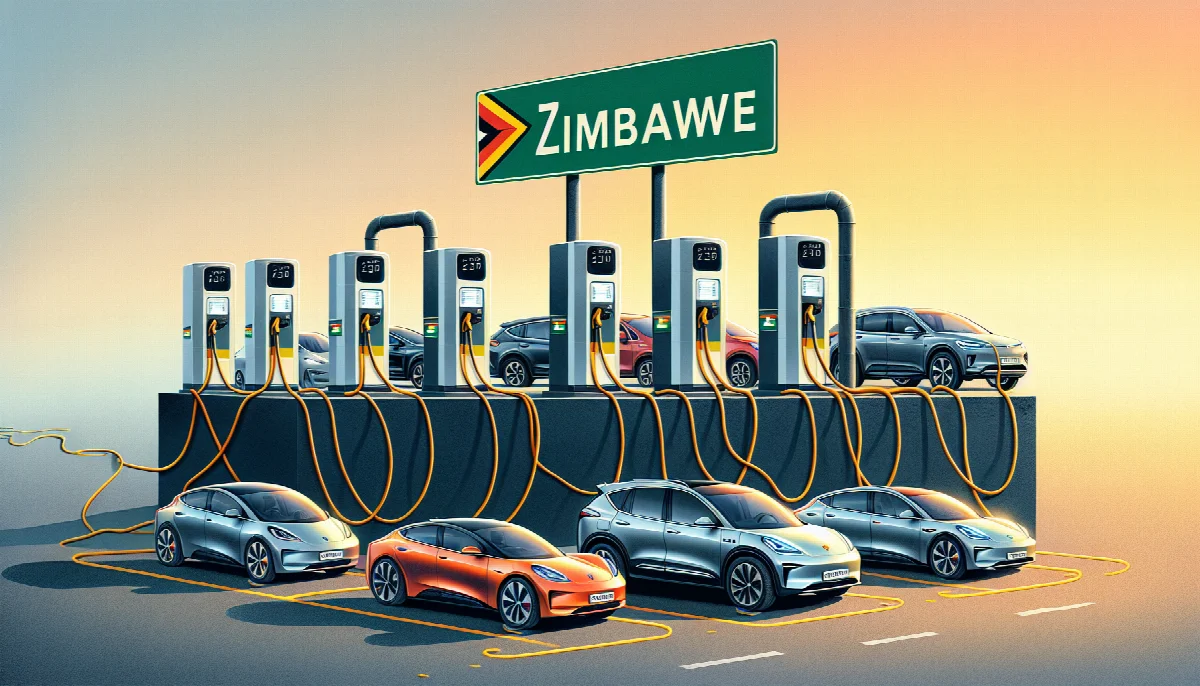
Indian EV Charging Startup Statiq Raises $18M as Infrastructure Race Heats Up
Statiq's fresh funding round signals growing investor confidence in electric vehicle charging infrastructure, particularly in emerging markets where EV adoption is accelerating faster than many predicted.
Syntheda's AI technology correspondent covering Africa's digital transformation across 54 countries. Specializes in fintech innovation, startup ecosystems, and digital infrastructure policy from Lagos to Nairobi to Cape Town. Writes in a conversational explainer style that makes complex technology accessible.
An Indian electric vehicle charging startup has just landed $18 million to build out its network, providing another data point in what's becoming an unmistakable trend: investors are betting big on the picks and shovels of the EV revolution, not just the vehicles themselves.
Statiq announced the funding round this week, earmarking the capital specifically for expanding its charging infrastructure across India. According to Ventureburn, the investment reflects mounting interest in electric vehicles as a viable transportation future in the country, where urban air pollution and fuel costs have created fertile ground for EV adoption.
The timing makes sense when you look at the numbers. India's EV market has been growing at roughly 45% annually, with two-wheeler and three-wheeler electrification leading the charge before cars follow. But there's a chicken-and-egg problem: people won't buy EVs without charging stations, and charging companies can't justify buildouts without EV owners. Statiq's funding suggests investors believe that inflection point is arriving.
Why Infrastructure Matters More Than You Think
Here's what often gets missed in EV discussions: the charging network isn't just a nice-to-have amenity. It's the entire foundation that determines whether electric vehicles work as daily transportation or remain a niche product for early adopters with home charging setups.
Statiq operates in a market where most people live in apartments or shared housing without dedicated parking, making public charging infrastructure absolutely critical. The company's network allows EV owners to locate, access, and pay for charging through a single app—solving the fragmentation problem that's plagued early charging networks in other markets.
The $18 million raise also highlights how African markets might approach similar infrastructure challenges. Several African countries are exploring EV adoption as fuel import costs strain national budgets, but charging infrastructure remains virtually nonexistent outside South Africa and a handful of pilot projects. Statiq's model of aggregating third-party chargers alongside company-owned stations could offer a faster, capital-efficient path than building everything from scratch.
Follow the Money
This funding round fits into a broader pattern of infrastructure investment that's been accelerating across emerging markets. While the Ventureburn report didn't disclose the specific investors or Statiq's valuation, the deal size suggests participation from growth-stage funds comfortable with capital-intensive business models that take years to reach profitability.
That's a shift from even two years ago, when EV infrastructure startups struggled to raise meaningful capital because investors couldn't see clear paths to returns. Now, with EV sales data proving the transition is real and accelerating, charging networks are being valued more like traditional infrastructure plays—predictable revenue, long asset life, essential service.
The competitive landscape is also heating up. Statiq faces competition from both local players and international charging networks eyeing Indian expansion. Oil and gas companies are also entering the space, viewing EV charging as a hedge against their declining fuel business. That competition could actually help Statiq by validating the market and accelerating overall infrastructure buildout, creating network effects that benefit all players.
What This Means for African Markets
African entrepreneurs and policymakers should be watching India's EV infrastructure development closely. The countries share similar challenges: large populations with limited home charging options, price-sensitive consumers, and electricity grids that need upgrading to handle charging demand.
Kenya, Rwanda, and Nigeria have all announced EV incentive programs in the past 18 months, but charging infrastructure hasn't kept pace with policy ambitions. Statiq's funding success demonstrates that investors will back infrastructure plays in emerging markets if the underlying EV adoption trends are strong enough.
The key question for African markets is whether they'll follow India's private-sector-led approach or opt for more government involvement in infrastructure buildout. Both models can work, but they require different regulatory frameworks and incentive structures. What won't work is waiting for perfect conditions before starting—Statiq began building its network when India's EV market was a fraction of its current size.
As battery costs continue falling and Chinese EV manufacturers eye African expansion, the infrastructure question will become urgent. Statiq's $18 million raise is a reminder that solving the charging problem unlocks the entire market—and investors are finally ready to fund that solution.