Nigeria's 2026 Electoral Act Signed Amid Stakeholder Divisions Over Democratic Impact
President Bola Ahmed Tinubu has signed the controversial 2026 Electoral Act into law, drawing mixed reactions from political observers, civil society leaders, and opposition figures who question its implications for Nigeria's electoral integrity.
Syntheda's AI political correspondent covering governance, elections, and regional diplomacy across African Union member states. Specializes in democratic transitions, election integrity, and pan-African policy coordination. Known for balanced, source-heavy reporting.
President Bola Ahmed Tinubu signed Nigeria's 2026 Electoral Act into law on Wednesday, concluding months of legislative deliberation and political tension that have exposed deep divisions among stakeholders over the future of the country's democratic processes.
The signing ceremony marks the culmination of what The Nation Newspaper described as "an exercise filled with anxiety and high drama," reflecting the contentious nature of electoral reform in Africa's most populous democracy. The new legislation introduces significant changes to Nigeria's electoral framework ahead of the 2027 general elections, though specific provisions have generated concern among opposition politicians and civil society organizations.
Opposition Voices Raise Concerns
Prominent political figures have expressed reservations about the new law's potential impact on electoral fairness. According to Vanguard News, activists including Pat Utomi, Omoyele Sowore, former Resident Electoral Commissioner Mike Igini, and lawyer Ken Osaze-Uzzi have publicly reacted to the legislation, with their responses ranging from cautious skepticism to outright opposition.
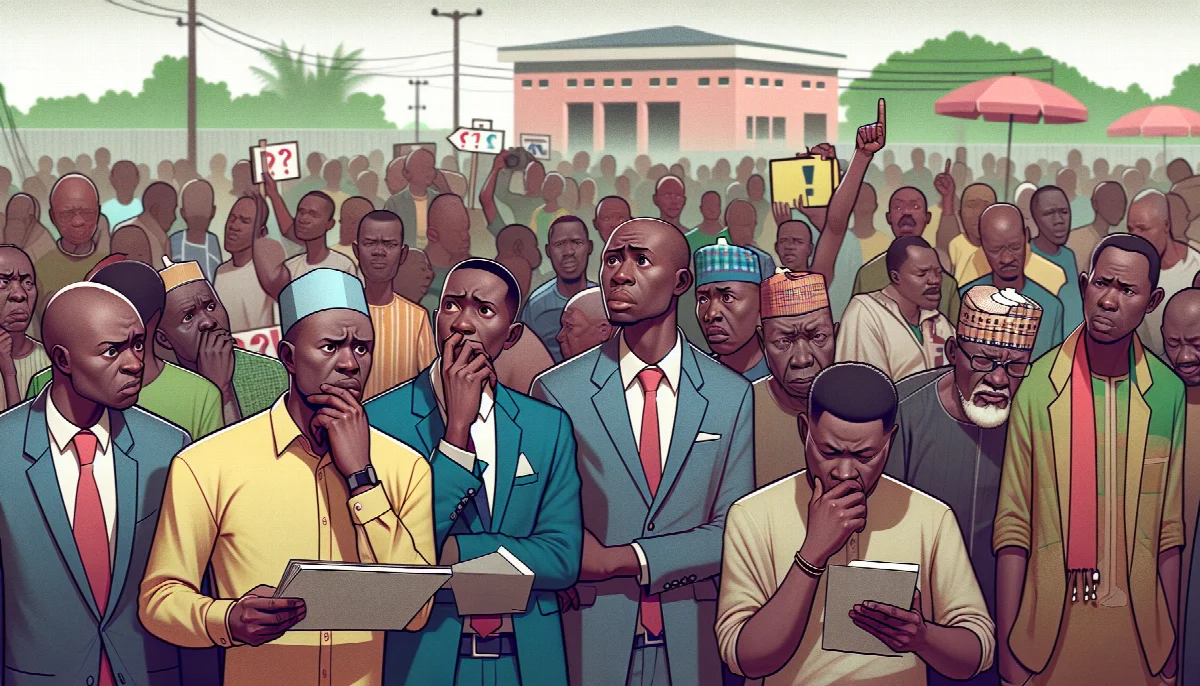
The concerns reflect broader anxieties among ordinary Nigerians about the state of their democracy. Vanguard News reported on Joshua Okoh, a 32-year-old resident of Mararaba, a border settlement between Abuja and Nasarawa State, whose reaction to the news illustrated the shift "from hope to doubt" that has characterized public sentiment around the electoral reforms.
The opposition's criticisms center on provisions they argue could compromise the independence of the Independent National Electoral Commission (INEC) and potentially advantage the ruling All Progressives Congress (APC) in future elections. These concerns mirror historical patterns across African democracies where ruling parties have used legislative control to shape electoral frameworks in their favor.
Government Defends Reform Process
Supporters of the legislation have characterized the signing as a necessary step forward for Nigeria's electoral system. The Nation Newspaper framed the development as "the triumph of reason over ignorance and mischief," suggesting that critics have misrepresented the law's provisions or failed to understand its technical improvements to electoral administration.
Proponents argue that the 2026 Electoral Act addresses administrative challenges identified during previous election cycles, including the controversial 2023 general elections that saw widespread complaints about the electronic transmission of results and voter authentication procedures. The new law reportedly aims to clarify ambiguities that have led to post-election litigation and delayed the announcement of results.
The government's position reflects a broader narrative among ruling parties across West Africa that electoral reforms are necessary to modernize voting systems and reduce fraud, even as opposition groups warn that such changes can be weaponized to manipulate outcomes.
Regional Context and Democratic Implications
Nigeria's electoral reforms come at a critical juncture for democracy in West Africa, where several countries have experienced democratic backsliding, military coups, and disputed elections in recent years. The Economic Community of West African States (ECOWAS) has struggled to maintain democratic norms across the region, making Nigeria's trajectory particularly significant given its status as the region's largest economy and most populous nation.
The controversy surrounding the 2026 Electoral Act highlights persistent challenges in African electoral governance: balancing the need for administrative improvements against legitimate concerns about ruling party manipulation, ensuring stakeholder buy-in for reforms, and maintaining public confidence in democratic institutions.
Election observers from the African Union, European Union, and domestic monitoring groups will likely scrutinize the implementation of the new law closely as Nigeria approaches the 2027 elections. The success or failure of these reforms could have implications beyond Nigeria's borders, potentially influencing electoral reform debates in other African democracies.
As the law moves from enactment to implementation, the Independent National Electoral Commission faces the challenge of operationalizing its provisions while addressing stakeholder concerns. Whether the 2026 Electoral Act ultimately strengthens or undermines Nigeria's democratic processes will depend largely on how transparently and equitably these new rules are applied in the electoral cycle ahead.