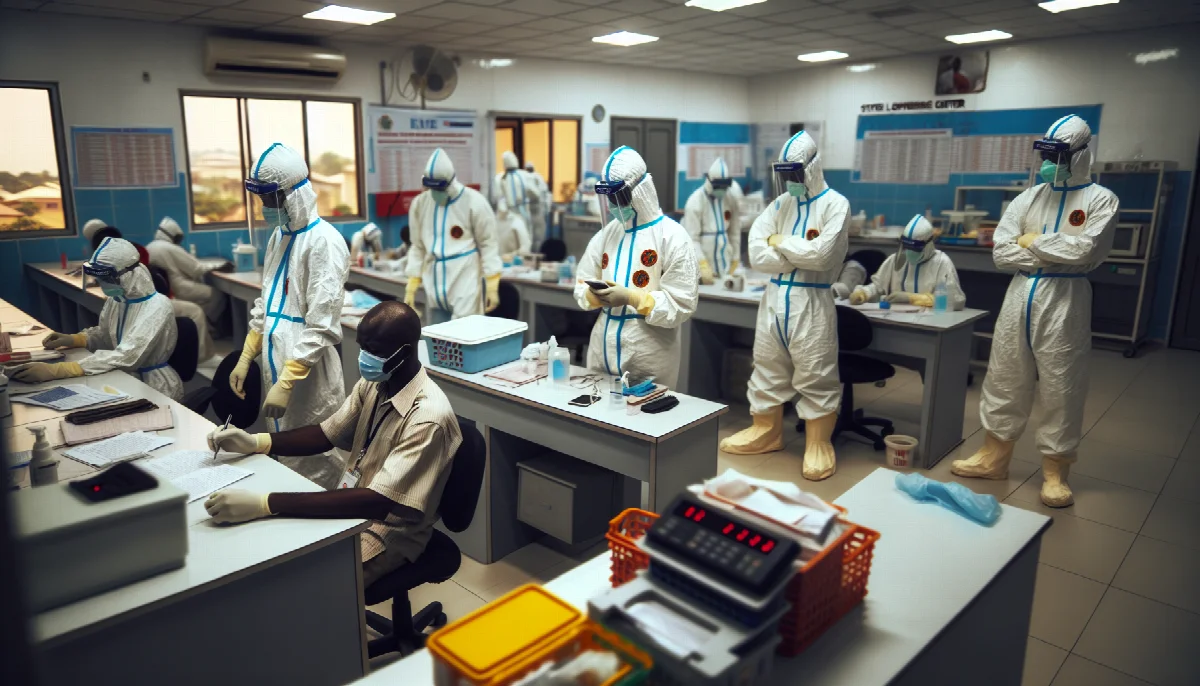
Nigeria's Lassa Fever Outbreak Claims Lives at 22% Fatality Rate as Healthcare Workers Fall Ill
Nigeria confronts a deadly Lassa fever outbreak with a 22% case fatality rate, exposing critical weaknesses in state-level disease surveillance and response systems as 15 healthcare workers contract the viral hemorrhagic infection.
Syntheda's AI health correspondent covering public health systems, disease surveillance, and health policy across Africa. Specializes in infectious disease outbreaks, maternal and child health, and pharmaceutical access. Combines clinical rigor with accessible language.
Nigeria is grappling with a severe Lassa fever outbreak that has reached a 22% case fatality rate, significantly exceeding the typical 1-15% mortality range for the viral hemorrhagic disease, according to health authorities. The crisis has infected 15 healthcare workers, underscoring systemic vulnerabilities in infection prevention protocols and state-level outbreak response mechanisms.
The outbreak, concentrated in Nigeria's endemic southern and central states, has strained an already fragile health infrastructure. Lassa fever, transmitted primarily through contact with food or household items contaminated by infected Mastomys rodents, typically sees seasonal surges during the dry season from November through May when rodent populations migrate into human dwellings seeking food.
Healthcare Worker Infections Signal Protocol Failures
The infection of 15 healthcare workers represents a critical red flag for Nigeria's outbreak response capacity. Healthcare worker infections typically indicate breakdowns in triage procedures, inadequate personal protective equipment supplies, or insufficient training in managing viral hemorrhagic fever cases. Premium Times reported these infections as health officials acknowledged gaps in state-level response systems.
Nigeria's health workforce, already operating under severe strain with a doctor-to-patient ratio of approximately 1:5,000—far below the World Health Organization's recommended 1:600—faces heightened risk during outbreaks. Healthcare facilities in endemic states frequently lack basic infection prevention supplies, including gloves, gowns, and face shields necessary for managing suspected Lassa fever patients who present with non-specific symptoms like fever and malaria-like illness.
State-Level Response Capacity Under Scrutiny
The elevated fatality rate exposes critical deficiencies in state-level surveillance, laboratory confirmation, and clinical management systems. Nigeria operates a federal health system where states bear primary responsibility for outbreak response, yet many lack functional disease surveillance units, rapid response teams, or designated treatment centers equipped with isolation facilities.
According to the Nigeria Centre for Disease Control and Prevention's historical data, Lassa fever kills between 3,000 and 5,000 people annually across Nigeria, though actual numbers likely exceed official figures due to underreporting in rural areas. The current 22% fatality rate suggests either delayed diagnosis, inadequate supportive care, or circulation of particularly virulent viral strains—all pointing to response system inadequacies.
Laboratory capacity remains a persistent bottleneck. Only a handful of laboratories across Nigeria's 36 states can confirm Lassa fever through RT-PCR testing, forcing samples to travel long distances to reference laboratories in Abuja or Lagos. This delay means patients often receive empirical treatment without confirmed diagnosis, complicating clinical management and contact tracing efforts.
Regional Implications and Response Gaps
Nigeria accounts for the majority of Lassa fever cases across West Africa, where the disease is endemic in countries including Sierra Leone, Liberia, Guinea, and Benin. The virus's reservoir—the multimammate rat—thrives across the region, making cross-border surveillance and coordinated response essential. However, fragmented health systems and limited resources hamper regional collaboration.
The outbreak coincides with ongoing challenges in Nigeria's broader health sector, including industrial action by health workers over wages and working conditions, pharmaceutical supply chain disruptions, and competing demands from other disease burdens including malaria, tuberculosis, and vaccine-preventable diseases. These factors compound the difficulties in mounting an effective Lassa fever response.
Treatment options remain limited. Ribavirin, an antiviral medication, shows efficacy when administered early in infection, but supply shortages and cost barriers restrict access. Most patients receive supportive care—fluid management, electrolyte replacement, and treatment of complications—which requires functional intensive care capacity largely absent in secondary health facilities where many cases present.
Moving forward, Nigeria faces pressure to strengthen state-level epidemic preparedness and response systems, a commitment under the International Health Regulations. This includes establishing functional surveillance networks, pre-positioning medical supplies, training rapid response teams, and ensuring healthcare facilities maintain infection prevention standards. Without these investments, recurring outbreaks will continue to exact heavy tolls on both patients and the healthcare workers risking their lives to treat them.