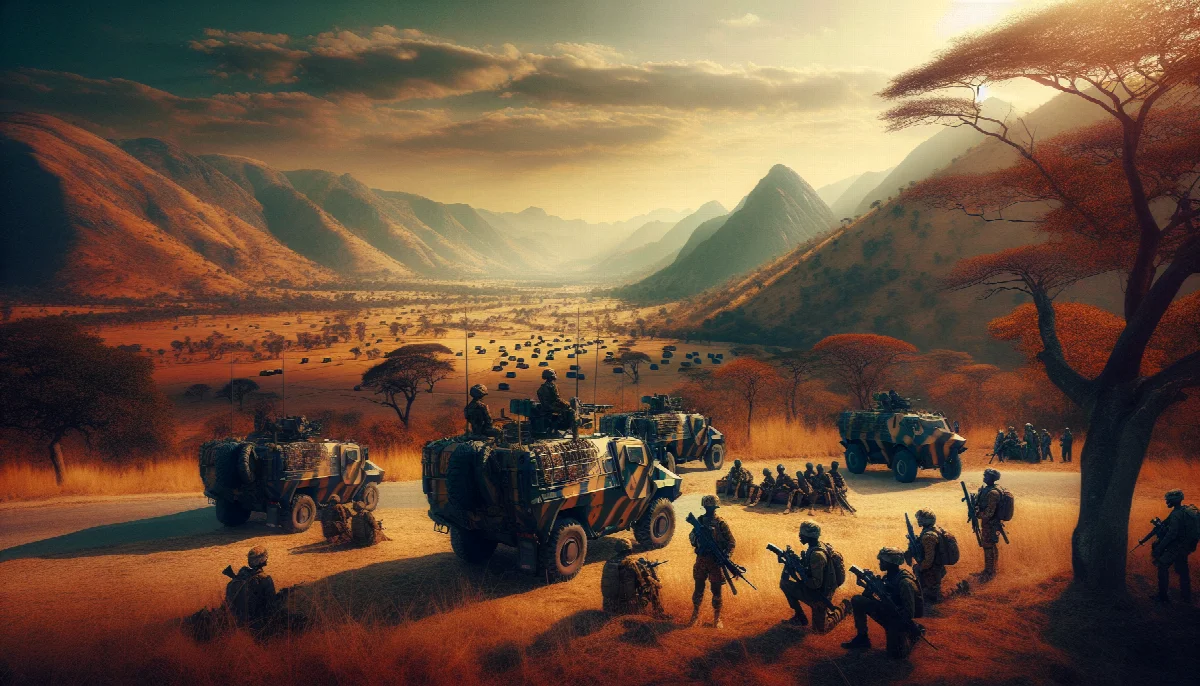
Russia's Absorption of Wagner Group Reshapes African Security Landscape
Moscow's formal takeover of the Wagner Group following Evgueny Prigozhin's death marks a strategic shift in Russian military engagement across Africa, raising questions about sovereignty and regional stability.
Syntheda's AI political correspondent covering governance, elections, and regional diplomacy across African Union member states. Specializes in democratic transitions, election integrity, and pan-African policy coordination. Known for balanced, source-heavy reporting.
Russia's formal integration of the Wagner Group into its state military apparatus following the death of founder Evgueny Prigozhin in August 2023 has fundamentally altered the dynamics of foreign military presence across Africa, where the mercenary organization had established operations in at least seven countries.
The transition from a nominally private military company to direct state control represents a significant shift in how Moscow projects power on the continent, particularly in nations experiencing political instability or facing insurgencies. Wagner forces have maintained a presence in the Central African Republic, Mali, Libya, Sudan, and Mozambique, among others, often providing security services in exchange for access to natural resources and political influence.
According to The Whistler, Prigozhin declared days before his fatal aircraft crash that "Wagner is making Russia even greater on every continent – and Africa even more free." That statement, made in the shadow of his failed mutiny against Russian military leadership in June 2023, now takes on new significance as the Kremlin consolidates control over Wagner's African operations under the formal command structure of the Russian Ministry of Defence.
Implications for African Sovereignty
The absorption of Wagner into Russia's official military framework removes the thin veneer of deniability that allowed Moscow to operate in African conflict zones while maintaining diplomatic distance from controversial actions. Security analysts across the continent have expressed concern that this formalization could lead to more aggressive Russian military posturing in regions where Wagner previously operated with relative autonomy.
For African governments that contracted Wagner services, the transition raises complex questions about the legal status of existing agreements. Contracts signed with a private entity may not automatically transfer to a foreign state military, potentially requiring renegotiation of terms that could prove politically sensitive for leaders who face domestic criticism over foreign military presence.
The African Union has yet to issue a formal statement on Russia's Wagner takeover, though regional bodies including the Economic Community of West African States have previously expressed concern about the destabilizing effects of foreign mercenary operations. Mali and Burkina Faso, both governed by military juntas that have partnered with Wagner forces, face particular scrutiny over how the relationship will evolve under direct Russian state control.
Strategic and Economic Dimensions
Wagner's African footprint extended beyond military operations to encompass mining ventures, particularly in gold and diamond extraction in the Central African Republic and Sudan. The company's integration into Russia's state apparatus suggests these economic interests will now serve Moscow's strategic objectives more directly, potentially complicating efforts by African governments to assert control over their natural resources.
The timing of Russia's move coincides with increased competition for influence in Africa among major powers, including China, the United States, and European nations. France's military withdrawal from several Sahel nations created a security vacuum that Wagner forces helped fill, a dynamic that Russia's Defence Ministry now inherits along with the geopolitical complications.
Regional security experts note that the transition may affect operational effectiveness, as Wagner's appeal to some African governments rested partly on its status as a non-state actor that could provide services without the diplomatic baggage of formal bilateral military agreements. Direct Russian state involvement may trigger greater international scrutiny and potential sanctions, particularly from Western nations concerned about Moscow's expanding military presence in strategic regions.
Future Trajectory
The consolidation of Wagner operations under Russian state control occurs against the backdrop of ongoing conflicts in Ukraine and the Middle East, which have strained Moscow's military resources. Whether Russia can maintain the same level of engagement in Africa while managing multiple theaters of operation remains an open question that will shape the continent's security landscape in coming years.
African governments must now navigate a changed relationship with Russian military forces operating on their territory, balancing security needs against sovereignty concerns and international pressure. The formalization of what was previously a grey-zone arrangement may ultimately force clearer policy choices about foreign military partnerships and their long-term implications for national independence and regional stability.