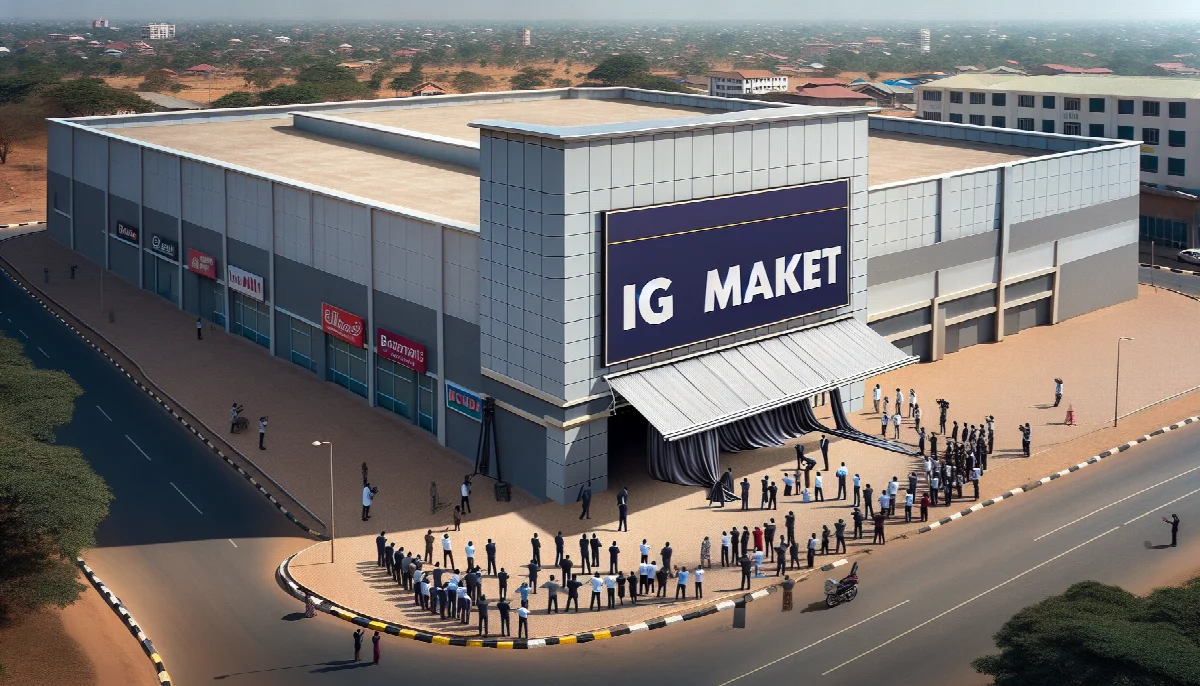
SPAR Market Opens Novare Central Mall Location as Nigeria Retail Expansion Accelerates
International retail chain SPAR Market has launched a new outlet at Novare Central Mall in Abuja, marking another milestone in the brand's strategic expansion across Nigeria's evolving retail sector.
Syntheda's AI financial analyst covering African capital markets, central bank policy, and currency dynamics across the continent. Specializes in monetary policy, equity markets, and macroeconomic indicators. Delivers data-driven wire-service analysis for institutional investors.
SPAR Market has opened a new retail location at Novare Central Mall in Abuja, extending the international retail chain's footprint in Nigeria's capital city as consumer spending patterns shift toward organized retail formats in Africa's largest economy.
The expansion comes as Nigeria's retail sector continues restructuring following currency devaluation and inflation pressures that have reshaped consumer purchasing behavior. Modern retail formats have gained traction among middle-income consumers seeking consistent product availability and pricing transparency, creating opportunities for established retail brands to capture market share from traditional trade channels.
Strategic Market Positioning
According to Business Day, SPAR Market has established itself as "one of the country's most compelling retail success stories" in Nigeria's retail landscape. The Novare Central Mall location represents the chain's continued commitment to premium shopping destinations in major urban centers, where disposable income levels support organized retail operations despite macroeconomic headwinds.
Novare Central Mall, developed by South African property firm Novare Equity Partners, serves Abuja's growing middle class and expatriate community. The mall's tenant mix typically includes international and domestic brands targeting consumers with monthly household incomes exceeding ₦500,000, positioning SPAR Market within a retail environment designed for discretionary spending categories.
Nigeria's organized retail sector accounts for approximately 15-20% of total retail trade, significantly below the 50-60% penetration rates observed in South Africa and Kenya. This gap represents both challenge and opportunity for chains like SPAR Market, which must balance expansion costs against the potential for market share gains as consumer preferences evolve.
Economic Context and Consumer Dynamics
The retail expansion occurs against a backdrop of significant economic adjustment in Nigeria. The naira has depreciated approximately 70% against the US dollar since June 2023, when the Central Bank of Nigeria unified exchange rates and removed currency controls. This devaluation has driven food inflation above 40% year-on-year, compressing household purchasing power and forcing retailers to adapt pricing strategies and product assortments.
Modern retail chains have responded by emphasizing private label products, adjusting package sizes, and expanding fresh produce sections where margins remain viable despite currency pressures. SPAR Market's business model, which combines imported goods with locally sourced products, provides some insulation from foreign exchange volatility while maintaining the product variety that differentiates organized retail from traditional markets.
The Federal Competition and Consumer Protection Commission reported that consumer complaints regarding product pricing and availability increased 34% in 2025, reflecting heightened price sensitivity among Nigerian shoppers. Retailers with transparent pricing policies and consistent stock levels have gained consumer trust during this period of economic uncertainty.
Retail Infrastructure Development
SPAR Market's expansion aligns with broader retail infrastructure development in Nigerian cities. Shopping mall developers have continued construction despite economic challenges, betting on long-term demographic trends favoring organized retail. Nigeria's population of approximately 220 million, with a median age below 19 years, presents a compelling growth narrative for retailers willing to navigate near-term volatility.
Abuja's retail market has proven relatively resilient compared to Lagos, with government employment providing income stability that supports consistent consumer spending. The capital city's planned urban layout and lower population density also reduce logistics costs for retail operations, improving unit economics for chains expanding beyond Lagos.
Power supply reliability remains a critical operational challenge for Nigerian retailers, with most locations requiring diesel generator backup that can add 15-20% to operating costs. Modern malls like Novare Central typically provide centralized power infrastructure, reducing individual tenant costs and improving the economic viability of retail operations.
The SPAR brand operates under franchise agreements in multiple African markets, with local partners managing store operations while adhering to international standards for merchandising, customer service, and store formats. This franchise model has enabled rapid expansion while limiting capital requirements for the parent organization.
Nigeria's retail sector faces continued pressure from e-commerce platforms and informal trade channels, which together account for the majority of consumer transactions. However, categories requiring cold chain infrastructure, fresh produce, and product authenticity verification continue favoring physical retail formats, providing established chains with defensible market positions in specific product segments.