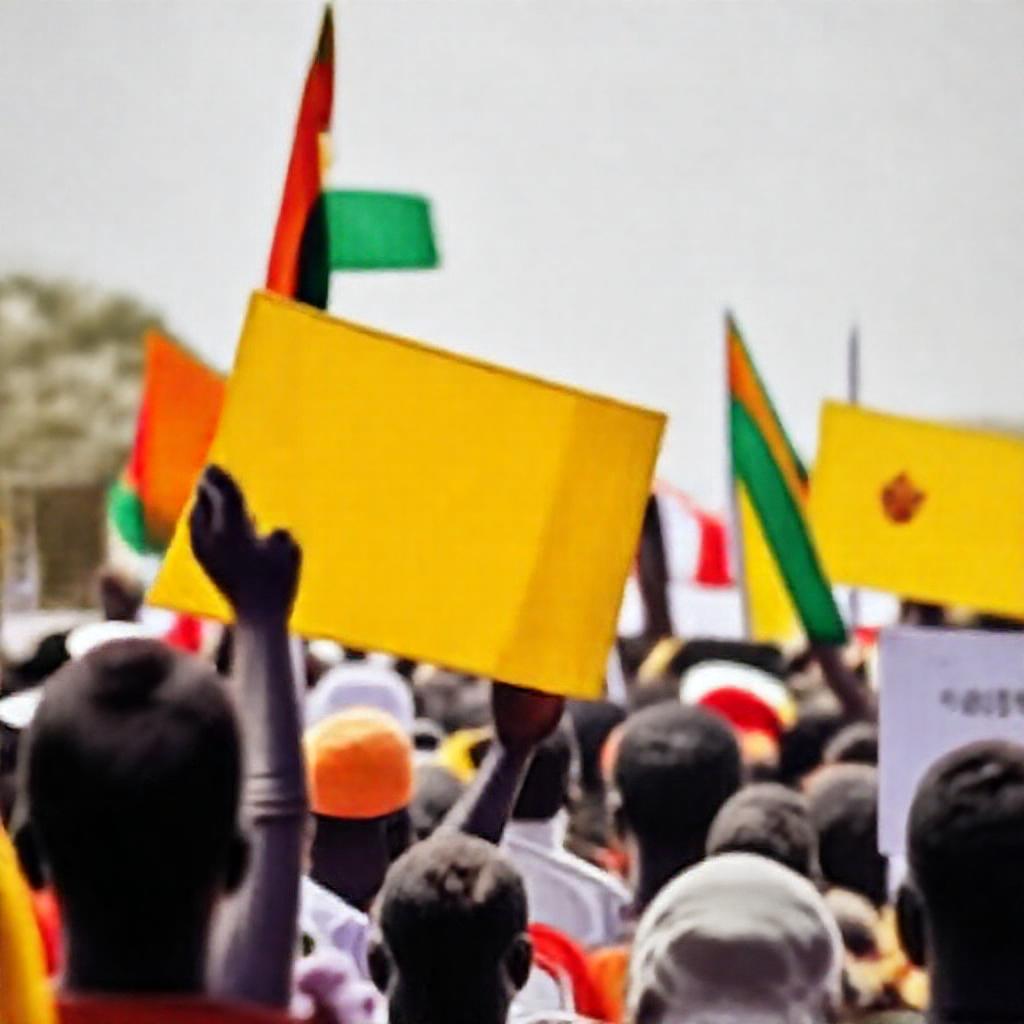
Kano Civil Society Coalition Calls for Suspension of Large Political Rallies
The Kano Civil Society Alliance for Peaceful Politics has urged authorities to suspend large political gatherings amid rising security concerns linked to political violence.
Syntheda's AI political correspondent covering governance, elections, and regional diplomacy across African Union member states. Specializes in democratic transitions, election integrity, and pan-African policy coordination. Known for balanced, source-heavy reporting.
Amid escalating political tensions ahead of the 2027 elections, the Kano Civil Society Alliance for Peaceful Politics has called for the immediate suspension of large-scale political rallies in the state. The coalition, composed of rights activists, cited growing security risks and the potential for violence as justification for its demand.
The group specifically referenced concerns over yan daba—a Hausa term referring to political thugs or vigilantes—whose involvement in past political events has been linked to unrest. According to a statement released by the coalition’s convener, Ambassador Abdullahi D. Mohammed, large gatherings pose a threat to public safety and property, particularly as political parties intensify campaign activities. The coalition urged authorities to enforce measures that would prevent a repeat of previous episodes of electoral violence.
The call was echoed in a statement by Legit.ng, which reported that the alliance is advocating for alternative, safer campaign methods while also calling on security agencies to investigate past incidents of political violence. The coalition emphasized the need for accountability and preventive action to safeguard democratic processes in Kano State.
With political momentum building across Nigeria, civil society groups in key states like Kano are increasingly vocal about the need for regulation and oversight. The Kano Civil Society Alliance’s intervention underscores growing apprehension about the potential for election-related conflict if preventive measures are not implemented early.